As civil infrastructure continues to evolve, movable bridge systems, floodgates, and large-scale transportation structures must meet higher standards for reliability, safety, and long-term performance. From bascule bridges and vertical lift bridges to flood protection systems and navigation structures, engineers are increasingly tasked with selecting actuation technologies that can withstand harsh environments while delivering dependable operation for decades.
One of the most critical design decisions in any movable bridge or civil motion system is choosing between hydraulic and electric bridge actuation systems. Both technologies are proven, widely deployed, and effective—but each excels under different operating conditions. Understanding the strengths, limitations, and ideal use cases of hydraulic versus electric bridge systems is essential for ensuring project success in civil applications.
What Is Bridge Actuation in Civil Infrastructure?
In civil engineering, bridge actuation refers to the method used to generate, control, and sustain motion for structures such as drawbridges, lift bridges, swing bridges, and floodgates. These systems must safely move massive structural loads while operating reliably in outdoor, corrosive, and often remote environments.
The primary difference between hydraulic bridge systems and electric bridge systems lies in how force is produced:
- Hydraulic systems use pressurized fluid to drive cylinders or motors.
- Electric systems rely on motors paired with mechanical transmission components and advanced control systems.
Both approaches are commonly used in civil bridge design, depending on load requirements, duty cycles, and operational priorities.
Hydraulic Bridge Systems: High Force for Heavy Civil Loads
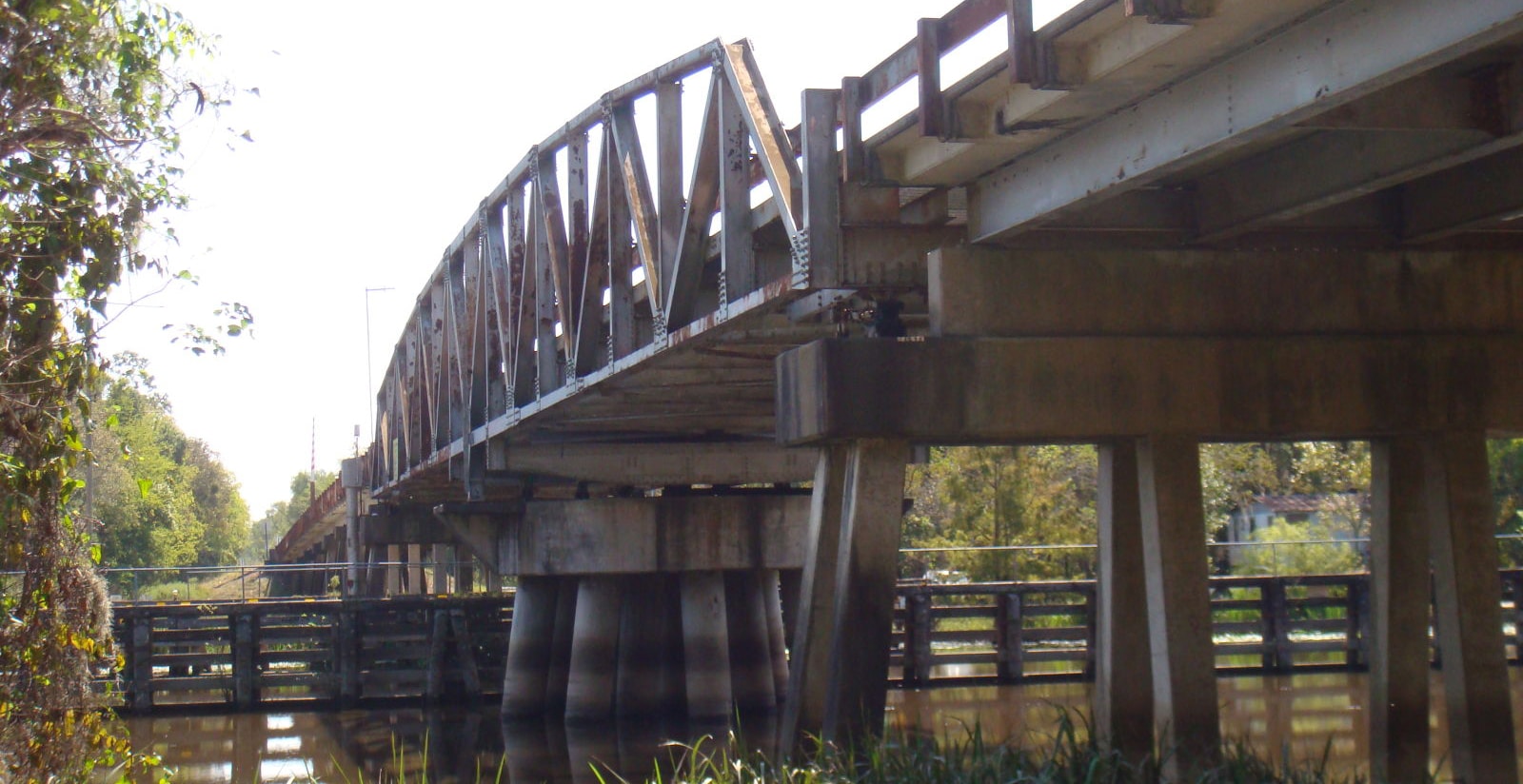
Hydraulic bridge systems have long been a cornerstone of movable bridge and floodgate design. In these systems, pressurized hydraulic fluid is routed through valves to cylinders or motors, creating powerful linear or rotational motion capable of handling extreme loads.
Advantages of Hydraulic Bridge Systems for Civil Applications
- High force density: Hydraulic systems generate enormous force from compact components—ideal for lifting bridge spans and heavy gates.
- Smooth, controlled motion: Natural fluid damping helps manage shock loads and uneven weight distribution.
- Proven durability: Hydraulics are well-suited for harsh environments, including coastal, marine, and flood-control applications.
- Resilience under extreme loads: Perfect for structures where strength and longevity are prioritized over ultra-fine positioning accuracy.
Common Civil Infrastructure Applications
Hydraulic bridge actuation is commonly used in:
- Bascule bridges and vertical lift bridges
- Floodgates and storm surge barriers
- Navigation locks and dam structures
- Marine and coastal infrastructure
The primary considerations with hydraulic systems include fluid maintenance, seal wear, and energy usage. However, when properly engineered and maintained, hydraulic bridge systems offer unmatched reliability for heavy civil structures.
Electric Bridge Systems: Precision and Intelligent Control
Electric bridge systems are gaining traction in civil projects that demand high precision, energy efficiency, and advanced automation. These systems use electric motors—often servo or induction motors—combined with gearboxes, rack-and-pinion drives, or ball screws to convert electrical energy into controlled motion.
Advantages of Electric Bridge Systems in Civil Engineering
- High precision and repeatability: Ideal for applications requiring synchronized or exact positioning.
- Energy efficiency: Power is consumed only when motion occurs, reducing operational costs.
- Clean operation: No hydraulic fluids, making them suitable for environmentally sensitive locations.
- Seamless integration: Easily connects to PLCs, SCADA systems, and remote monitoring platforms.
Common Civil Applications for Electric Actuation
Electric bridge systems are well-suited for:
- Movable pedestrian and light-traffic bridges
- Automated flood control structures
- Infrastructure requiring frequent cycling
- Projects emphasizing sustainability and digital monitoring
One limitation of electric bridge systems is load scalability. Extremely heavy structures may require larger motors and mechanical components, increasing cost and system complexity.
Choosing the Right Bridge Actuation System for Civil Projects
Selecting between hydraulic and electric bridge systems depends on a detailed evaluation of project requirements, including:
- Structural load and force demands
- Precision and synchronization needs
- Duty cycle and operational frequency
- Environmental exposure (marine, coastal, flood-prone)
- Long-term maintenance strategy
- Integration with existing control systems
In many cases, hybrid bridge systems—combining hydraulic power with electric control—offer the best of both worlds.
Supreme Integrated Technology: Experts in Civil Bridge Systems
At Supreme Integrated Technology, Inc. (SIT), we specialize in the design, engineering, and integration of hydraulic and electric bridge systems for civil infrastructure projects. Our experienced engineering team partners with municipalities, contractors, and consulting engineers to deliver reliable solutions for:
- Movable bridges
- Floodgates and storm surge barriers
- Marine and coastal infrastructure
- Custom civil motion systems
From concept through commissioning, SIT provides turnkey bridge system design, control integration, and fabrication, ensuring every solution meets safety, performance, and longevity requirements.
Frequently Asked Questions
Q: Can hydraulic and electric systems be combined in a movable bridge?
A: Yes. Hybrid bridge systems often use hydraulics for heavy lifting and electric drives for precise positioning and control.
Q: Are electric bridge systems suitable for continuous-duty civil applications?
A: Yes, when properly sized and engineered with appropriate thermal management and duty ratings.
Q: Are hydraulic bridge systems safe for environmentally sensitive areas?
A: Hydraulic systems can be used safely when designed with proper containment and maintenance practices, though electric systems are often preferred where fluid containment is critical.
Contact Supreme Integrated Technology, Inc. to learn more about hydraulic and electric bridge systems designed specifically for civil infrastructure applications. Contact us today.