Modern hydraulic, electrohydraulic, and electric-powered systems rely on more than individual components working on their own. They depend on precise coordination between controls, power, motion, structure, and operator feedback.
In marine, defense, and industrial applications, electrical control integration is what allows complex systems to operate safely, reliably, and efficiently. When the controls are not designed around the full system, the result can be delayed commissioning, poor performance, limited diagnostics, and costly downtime.
At Supreme Integrated Technology, Inc., electrical control integration is part of our full-system approach. Our team combines mechanical, structural, hydraulic, and electrical expertise to support integrated solutions for hybrid electrohydraulic systems and fully electric applications.
What Is Electrical Control Integration?
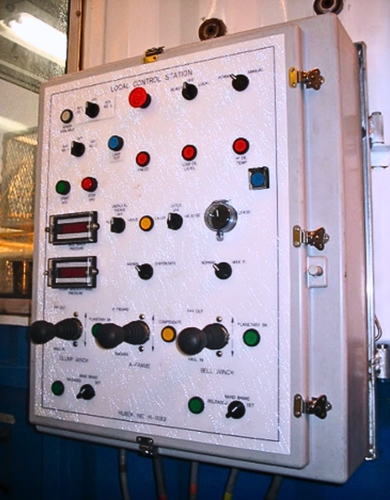
Electrical control integration is the process of coordinating PLCs, HMIs, drives, sensors, feedback devices, safety logic, and mechanical or hydraulic equipment so the complete system operates as intended.
In an electrohydraulic system, the control package must do more than send a signal. It must account for hydraulic response times, load conditions, actuator movement, operator commands, safety requirements, diagnostics, and the environment where the equipment will operate.
When integration is handled correctly, the system is easier to operate, troubleshoot, and maintain. When it is handled too late or treated as a separate piece of the project, small design gaps can become expensive problems during startup or operation.
Why Electrical Control Integration Matters
In applications such as marine steering systems, ballast controls, winches, moveable structures, lifting systems, and other mission-critical equipment, reliability is not optional.
These systems often operate in demanding environments where downtime can affect safety, production schedules, vessel operations, project timelines, and lifecycle costs. Strong electrical control integration helps the system respond the way it was designed to respond, while giving operators the visibility they need to make informed decisions.
A well-integrated control system can help improve:
- Equipment reliability
- Operator visibility
- System response
- Troubleshooting speed
- Safety logic
- Commissioning efficiency
- Long-term maintainability
- Overall system performance
Challenge 1: Electrical, Mechanical, and Hydraulic Systems Are Designed Separately
Many control system issues begin long before commissioning. They often start in the design phase, when electrical controls are engineered separately from the hydraulic, mechanical, or structural systems they are supposed to operate.
This can create issues such as:
- PLC logic that does not align with hydraulic response times
- Sensor placement that limits feedback accuracy
- VFD tuning that does not match the load requirements
- Control sequences that do not reflect real operating conditions
- Mechanical movement that is not fully coordinated with electrical logic
- Delays during startup because the full system was not tested as one solution
For complex electrohydraulic systems, basic component compatibility is not enough. The controls must be designed around how the system will actually move, respond, and perform under load.
SIT addresses this challenge by developing electrical control systems alongside the mechanical, hydraulic, and structural components. This helps reduce communication gaps, improve coordination, and support a more reliable system from design through commissioning.
Challenge 2: Operators Lack Real-Time Visibility and Diagnostics
In high-demand applications, operators need to know what the system is doing, not just whether it is on or off. Without clear visibility into system performance, small problems can be difficult to identify until they become larger issues.
Limited visibility can lead to:
- Slow troubleshooting during downtime
- Missed warning signs
- Poor fault detection
- Incomplete alarm information
- Limited operator confidence
- Higher maintenance costs
- Longer commissioning and service windows
This is especially important in systems that rely on pressure, flow, temperature, speed, position, load, or feedback from multiple devices. If operators and maintenance teams cannot see what is happening, they have fewer tools to respond quickly and accurately.
SIT integrates HMI interfaces, closed-loop feedback, alarm logic, and diagnostics directly into control packages. This gives operators better insight into system status and helps maintenance teams identify issues faster.
The goal is not just to make the system run. The goal is to make the system understandable, serviceable, and reliable in real operating conditions.
Challenge 3: Standard Controls Are Not Designed for Harsh Operating Conditions
Marine, defense, and heavy industrial environments place unique demands on electrical control systems. Offshore exposure, vibration, shock, moisture, temperature swings, space limitations, and continuous-duty operation can all affect system performance.
A standard control solution may work in a controlled environment, but that does not mean it is suitable for a vessel, shipyard, defense application, or rugged industrial setting.
Important design considerations may include:
- Environmental protection for enclosures
- Shock and vibration resistance
- Thermal management
- Corrosion resistance
- Fail-safe protection logic
- Redundant or protective design features
- Service access
- Cable routing and connection integrity
- Applicable project or customer requirements
Depending on the project, SIT can design control systems with consideration for applicable requirements such as ABS, DNV, API, MIL-STD, or other customer-specific standards.
SIT’s ISO 9001:2015 certified quality management system also supports a disciplined approach to design, documentation, production, and continuous improvement.
How SIT Delivers Integrated Electrical Control Packages
Electrical control integration is more than programming a PLC or installing an HMI. It requires an understanding of the full system and how each part affects the next.
SIT supports integrated electrical control packages through capabilities such as:
- PLC programming
- HMI development
- VFD integration and tuning
- Sensor and feedback device integration
- Closed-loop control
- Control panel design
- Alarm and diagnostic logic
- Electrical enclosure considerations
- Hydraulic power unit controls
- Integrated system design
- Documentation support
- Testing and commissioning support
By bringing electrical, hydraulic, mechanical, and structural expertise together, SIT helps reduce the design gaps that can happen when multiple vendors are working in separate lanes.
That single-source approach improves communication, supports accountability, and helps ensure the controls are designed around the application as a whole.
Why Complete Integration Matters
The most common control system challenges often happen when controls are treated as a separate add-on instead of an essential part of the system design.
For electrohydraulic and electric-powered applications, the control package should be considered early in the project. It should support the way the equipment moves, the way the operator uses it, the environment it will work in, and the safety requirements that guide the application.
Complete electrical control integration can help reduce:
- Startup delays
- Design conflicts
- Troubleshooting time
- Unplanned downtime
- Maintenance issues
- Component stress
- Lifecycle costs
For marine, defense, and industrial applications, that kind of reliability matters. SIT’s integrated approach helps customers move from separate components to complete systems that are designed to work together.
Contact Supreme Integrated Technology today to learn how our team can support electrical control integration for your hydraulic, electrohydraulic, or electric-powered application.
Frequently Asked Questions About Electrical Control Integration
Why is electrical control integration important for hydraulic and electrohydraulic applications?
Hydraulic and electrohydraulic systems rely on precise coordination between electrical controls and mechanical movement. Strong integration helps improve response time, feedback accuracy, system reliability, operator visibility, and equipment life.
How do PLCs and HMIs improve electrical control system performance?
PLCs control system logic and automate machine functions. HMIs give operators visibility into performance, alarms, diagnostics, and system status. Together, they help improve operation, reduce troubleshooting time, and support more reliable performance.
What causes delays during electrical control system commissioning?
Commissioning delays often happen when control systems are designed separately from hydraulic, mechanical, or structural systems. Mismatched components, poor sensor placement, incomplete testing, improper VFD tuning, and unclear operating sequences can all create startup issues.
How can poor control system design impact hydraulic equipment reliability?
Poor control system design can lead to inaccurate feedback, inconsistent motion, excessive component wear, nuisance faults, slow troubleshooting, and unplanned downtime. Over time, this can increase maintenance costs and reduce equipment lifespan.
Why is single-source electrical and hydraulic system integration valuable?
Single-source integration helps reduce communication gaps, design conflicts, and project delays. When one team understands the electrical controls, hydraulic system, mechanical design, and structural requirements, the final solution is more likely to perform reliably from design through commissioning.