Today’s industrial landscape demands efficiency, precision, and constant safety. The primary driver behind the smooth operation of modern machinery can be found in the complex network of electrical control systems. These systems perform as the brain of the industrial equipment, allowing for precisely coordinated operations, highly monitored performance, and increased reliability. Optimizing these systems can also reduce energy consumption, improve maintenance schedules, and enhance overall operational safety. Supreme Integrated technology delivers advanced electrical control systems that are designed to optimize performance and redefine accuracy. Use this blog as your guide to understanding what electrical control systems are and why they are imperative for the new generation of industrial equipment.
What Are Electrical Control Systems?
At their core, electrical control systems are highly intelligent solutions that are tasked with managing and regulating the operation of industrial equipment. They operate by taking inputs from sensors, meters, and transducers, then processing the information through controllers, such as programmable logic controllers (PLCs). Then they convert that information to command actuators, motors, or hydraulic systems to move accurately. Simply put, they translate raw electrical signals into coordinated, precise machine actions. At SIT, our electrical control solutions come in two primary forms:
- Hybrid, electrohydraulic systems
- Fully electrical control packages
By specializing in both categories of electrical control systems, SIT ensures that your industrial machinery is able to operate smoothly and consistently under the most demanding conditions, regardless of application. These systems are designed for scalability, integration with automation platforms, and enhanced real-time monitoring to meet Industry 4.0 standards.
Applications for Electrohydraulic Hybrid Systems
These systems integrate the precise control of electric systems with the robust power of hydraulic force. This makes electrohydraulic systems ideal for heavy-duty and high-load applications including:
- Marine winches and steering systems: For smooth, consistent operation for shipboard hoisting and navigation controls at sea.
- Cranes and hoists: Enables precise positioning of heavy loads with adjustable speed and force control.
- Offshore drilling equipment: Controls hydraulic actuators for drilling, lifting, and safety systems under extreme conditions.
- Construction and mining machinery: Powers excavators, bulldozers, and loaders with precise motion while handling heavy loads efficiently.
No matter how harsh the operating environment, hybrid electrohydraulic control systems offer both the accuracy of electrical controls and the ruggedness of hydraulic power. They also support predictive maintenance and data collection, which helps companies optimize operational schedules and reduce downtime.
Fully Electrical Control Package Applications
Fully electrical control systems are ideal for applications that require the pinnacle of motion control and energy efficiency. Some of the most common applications for this type of control panel include:
- Automated manufacturing lines: Controls robotic arms, conveyors, and pick-and-place systems with precise speed and positioning.
- Packaging machinery: Ensures accurate handling, labeling, and sorting of products at high throughput.
- Material handling systems: Powers electric lifts, shuttles, and automated guided vehicles (AGVs) with smooth, repeatable motion.
- Renewable energy systems: Manages the motion of solar trackers or wind turbine actuators for maximum energy capture.
The success of these applications often hinges on the ability for a system to save energy, decrease maintenance needs, and enhance operational accuracy–making fully electrical control systems the ideal solution.
How Electrical Control Systems Work
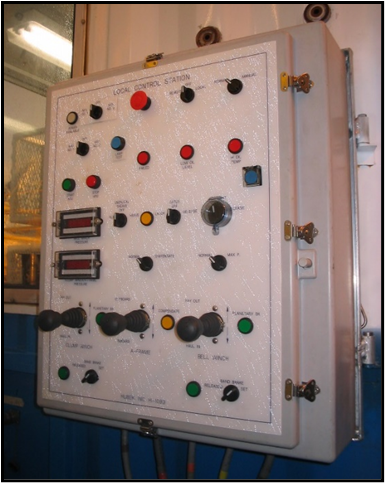
Modern electrical controls work by continuously monitoring operational variables within a system, such as speed, load, torque and pressure. By using realtime feedback, they automatically adjust the equipment functions to maintain optimal performance. This could look like a variable frequency drive regulating a motor’s speed in order to match process demands, or a PLC executing complex control logic to coordinate multiple components’ movement in unison.
SIT’s electrical control systems are engineered for seamless integration within your existing system. This means that our team of engineers can connect sensors, drives, and actuators into a unified control network that is designed specifically for your unique application needs. This high-touch level of integration allows for smarter diagnostics, predictable maintenance, and enhanced operational efficiency, ensuring that equipment runs at peak performance with minimal downtime.
Why Use Supreme Integrated Technology’s Electrical Systems
What sets SIT’s electrical control packages apart is our focus on highly customizable and fully integrated solutions. Instead of relying on generic “off-the-shelf” solutions, SIT designs and tailors electrical control systems that are unique to your specific operational needs. For industries that depend on robust, high-performance operations, SIT’s electrical control systems are not just a benefit—they’re non-negotiable.
Frequently Asked Questions
Q: How do electrical control systems improve equipment reliability?
A: Electrical control systems continuously monitor operating conditions such as pressure, speed, and load. By automatically adjusting machine performance and detecting potential issues early, they help prevent equipment failures and reduce costly downtime.
Q: What role do PLCs play in electrical control systems?
A: PLCs act as the central processing unit of many electrical control systems. They receive input signals from sensors, execute programmed control logic, and send output commands to machinery to regulate operations in real time.
Q: How do electrical control systems work in industrial automation?
A: Electrical control systems work by collecting data from sensors, processing that information through controllers such as PLCs, and sending commands to motors, drives, or actuators. This continuous feedback loop allows industrial equipment to automatically adjust operations for optimal performance and safety.
Q: Can electrical control systems be retrofitted into existing industrial equipment?
A: Yes. SIT’s electrical control systems are designed for seamless integration with existing machinery. Our engineers assess your current setup and implement retrofits that enhance automation, efficiency, and precision without requiring complete equipment replacement. This allows older industrial machines to meet modern performance standards.
Q: How do electrical control systems support safety in industrial operations?
A: Electrical control systems continuously monitor operational parameters such as load, speed, and pressure. By detecting outlier conditions and triggering automatic shutdowns, they prevent accidents, equipment damage, and downtime, ensuring safer work environments. Integrated safety protocols can include emergency stops, limit switches, and real-time diagnostics.
Q: What is the difference between hybrid electrohydraulic and fully electrical control systems?
A: Hybrid electrohydraulic systems combine hydraulic power with electrical precision, making them ideal for heavy-load applications like cranes, offshore drilling, and marine equipment. Fully electrical systems rely solely on electricity for motion control, offering energy efficiency, precision, and repeatable motion for applications such as automated manufacturing lines, packaging systems, and renewable energy equipment.
Contact SIT today to learn more about our electrical control systems and how they can improve your operations!