The most expensive system integration problems are not always obvious when a shipbuilding or vessel repair project begins. They often appear later as additional engineering, incorrect replacement components, rewiring, software changes, extended troubleshooting, and delayed vessel delivery.
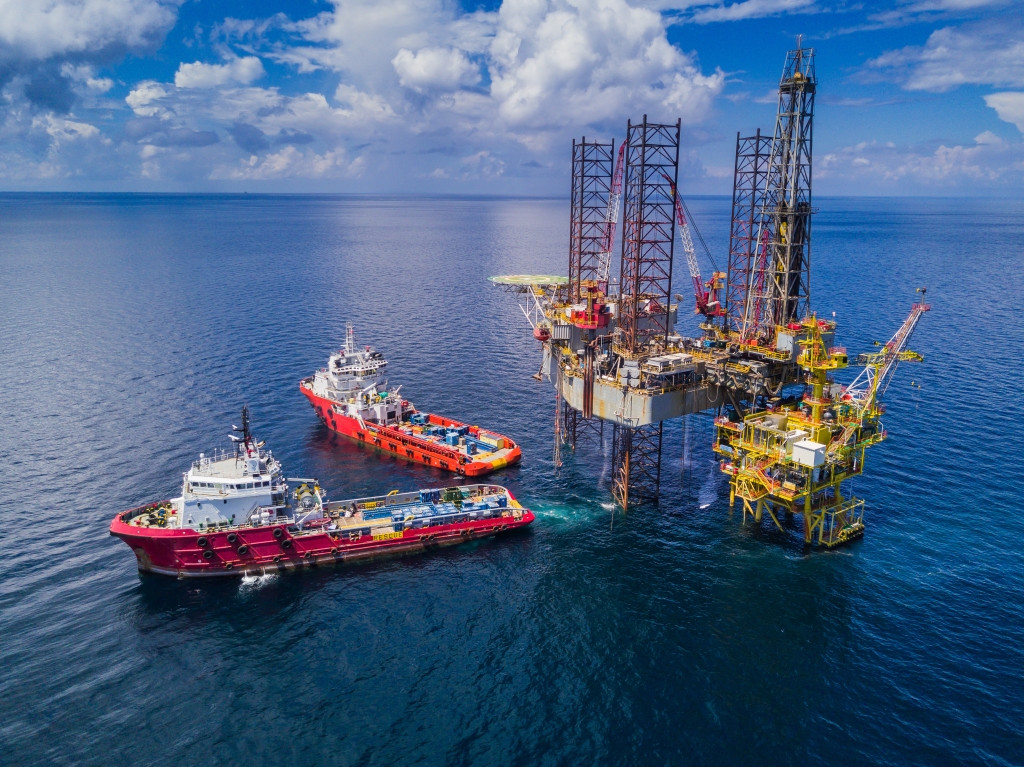
Modern vessels rely on hydraulic systems, electrical controls, automation, instrumentation, alarms, and mechanical equipment working together reliably. A component may operate correctly on its own but still create problems when it is connected to the rest of the vessel.
This is especially important during vessel repair and modernization. Replacing a failed valve, pump, sensor, hose, control device, or hydraulic component is not always as simple as matching a part number. The replacement must also fit the pressure, flow, electrical, mechanical, material, and environmental requirements of the application.
When those requirements are not reviewed before the part is ordered or installed, a relatively small repair can lead to added labor, rework, longer commissioning, or continued equipment problems.
What Is Marine System Integration?
Marine system integration is the process of coordinating vessel equipment and controls so that individual components and subsystems operate together as intended.
Depending on the vessel and project, that may involve:
- Hydraulic power units
- Pumps, motors, valves, manifolds, and actuators
- Valve remote control systems
- Ballast and cargo-control systems
- Deck machinery and lifting equipment
- Steering controls
- Electrical control panels
- PLC and HMI platforms
- Sensors and instrumentation
- Automation and monitoring systems
- Alarms, interlocks, and shutdown functions
System integration involves more than physically connecting equipment. It requires understanding how components exchange power, commands, signals, feedback, and operating data.
Important considerations may include:
- Hydraulic pressure and flow
- Voltage and power requirements
- Input and output assignments
- Sensor signal types
- Communication protocols
- Alarm and interlock logic
- Valve actuation and position feedback
- Port and connection requirements
- Mounting dimensions
- Material and seal compatibility
- Fluid type and operating temperature
- Environmental exposure
- Compatibility with existing equipment
Reviewing these details early can help shipyards and repair teams identify conflicts before equipment is installed or returned to service.
Why Marine Integration Problems Often Appear Late
Many integration issues remain hidden because components and assemblies are commonly tested individually before installation.
A hydraulic power unit may achieve its required pressure and flow. A control panel may pass electrical testing. A PLC program may operate correctly during simulation. A sensor or valve may meet the manufacturer’s stated specifications.
Problems can still arise once that equipment is connected to the vessel’s existing hydraulic circuit, power supply, automation platform, communication network, operator interface, or safety system.
For example, a replacement component may have:
- The correct physical size but the wrong pressure rating
- The correct voltage but an incompatible output signal
- The correct port size but unsuitable seal material
- Similar functionality but different control requirements
- The right operating range but a different mounting arrangement
- The correct model family but the wrong internal configuration
These issues are often discovered during installation, startup, commissioning, or operational testing. At that stage, correcting the problem may require additional parts, labor, programming, or equipment modifications.
Six Hidden Costs of Poor Marine System Integration
Poor integration can affect nearly every phase of a shipbuilding or repair project. Some costs appear directly on an invoice. Others show up through lost time, schedule disruption, and reduced equipment reliability.
1. Engineering Rework
When a compatibility problem is identified late, drawings, operating sequences, wiring diagrams, software, and component specifications may need to be revised.
A change to one component can also affect several related parts of the system. Replacing a hydraulic valve, for example, may require changes to:
- Hydraulic flow or pressure settings
- PLC programming
- HMI commands
- Electrical wiring
- Sensor feedback
- Alarm logic
- Safety interlocks
- System documentation
The cost of the component may be relatively small, but the work needed to accommodate it can be much greater.
2. Incorrect Replacement Parts
A replacement part can look correct on paper and still be wrong for the application.
A valve may fit the existing piping but respond differently under load. A sensor may have the correct electrical connection but provide the wrong signal. A hose may have the right dimensions but be unsuitable for the operating pressure, fluid, temperature, or environment.
The replacement must satisfy the complete application, not only the part number.
That may require reviewing:
- Manufacturer and model
- Serial number and configuration
- Pressure and flow requirements
- Voltage and electrical signal
- Port and connection type
- Mounting dimensions
- Materials and seal compounds
- Fluid compatibility
- Operating temperature
- Environmental conditions
- Function within the complete system
Confirming these details before ordering can help avoid installing a part that creates a second problem.
3. Additional Labor
Integration problems often require support from engineers, electricians, hydraulic technicians, programmers, installers, and commissioning personnel.
Instead of completing planned repair or startup work, teams may spend time:
- Tracing wiring
- Reviewing drawings
- Checking hydraulic performance
- Confirming signals
- Comparing component specifications
- Updating software
- Coordinating with suppliers
- Removing and reinstalling equipment
The source of the problem may be small, but identifying it can take time when several vendors are involved and each is responsible for only one portion of the system.
4. Extended Troubleshooting and Commissioning
Startup and commissioning are often when disconnected design decisions become visible.
If equipment does not respond as expected, the project team must determine whether the issue is hydraulic, electrical, mechanical, software-related, or caused by an interface between several systems.
This can delay:
- System acceptance
- Inspections
- Customer testing
- Sea trials
- Crew training
- Return to service
- Vessel delivery
Clear requirements, accurate documentation, and coordinated testing can make troubleshooting more efficient.
5. Equipment Modifications and Change Orders
Late system integration problems may require changes to equipment that has already been manufactured or installed.
Corrections may include:
- Replacing components
- Adding instrumentation
- Modifying manifolds
- Reconfiguring control panels
- Rewiring equipment
- Updating communication hardware
- Changing valve or actuator arrangements
- Adding interface devices
- Revising PLC or HMI programming
These changes can create additional engineering, material, fabrication, installation, and testing costs. They can also affect the schedules of other teams working on the vessel.
6. Vessel Downtime and Long-Term Maintenance Costs
The impact of poor system integration may continue after the immediate repair or project is complete.
A system may operate during acceptance testing but remain difficult to maintain if the documentation is incomplete, diagnostic information is limited, or the replacement component was not selected with future service in mind.
Maintenance teams may struggle to determine:
- Why a certain replacement was selected
- Which settings or software revisions are required
- How an alarm relates to the equipment problem
- Whether a newer component is compatible
- Which supplier is responsible for the interface
- What must be changed during the next repair
Good system integration supports not only installation and commissioning, but also future troubleshooting, maintenance, replacement, and upgrades.
Common Causes of Marine Integration Problems
Poor system integration is rarely caused by one defective part. It usually develops through several coordination gaps across engineering, procurement, installation, and commissioning.
Divided Responsibilities
A vessel project may involve separate suppliers for hydraulics, electrical controls, automation, instrumentation, and mechanical equipment.
Each supplier may understand its own products but have limited visibility into how those products must interact with the complete vessel system.
Without clearly assigned responsibilities, important interface details can fall between scopes of work.
Incomplete Part Information
Repair teams do not always have a complete part number, current drawing, or equipment manual. Nameplates may be damaged, the original manufacturer may no longer support the product, or the installed component may have been modified.
In these situations, identifying a replacement may require more than searching a catalog. Photos, dimensions, operating data, schematics, and information about the component’s function may all be needed.
Communication Gaps
Shipyards, vessel owners, equipment manufacturers, repair contractors, and system suppliers often work on different schedules.
When a requirement changes, the updated information may not reach every team affected by it. A revision to an operating sequence, component specification, or equipment layout can create conflicts elsewhere in the system.
Late Project Changes
Vessel requirements may change during construction, repair, or modernization.
A change to one component can affect power requirements, hydraulic performance, control logic, instrumentation, mounting, and installation. If the larger impact is not reviewed, the change may create additional work later.
Undefined Interfaces
System integration problems are more likely when the project does not clearly define how equipment connects and communicates.
An interface review may need to address:
- Power and voltage
- Pressure and flow
- Inputs and outputs
- Communication protocols
- Sensor and feedback signals
- Operating sequences
- Alarms and shutdowns
- Equipment permissions and interlocks
- Supplier responsibilities
Limited System-Level Testing
Testing an individual component confirms that it operates within its specified conditions. It does not always confirm that the complete connected system will perform as expected.
When the project scope allows, reviewing and testing operating sequences and equipment interfaces before final installation can help identify problems under more controlled conditions.
Why System Knowledge Matters When Sourcing Marine Repair Parts
A marine replacement part should be evaluated as part of the system it supports.
A failed pump, valve, sensor, filter, hose, seal, gauge, or control component may be the visible problem, but selecting the right replacement requires an understanding of the application.
For example:
- A pump failure may be related to contamination, cavitation, or an operating condition.
- A damaged hose may point to pressure spikes, abrasion, temperature, or improper routing.
- A repeatedly failing seal may not be compatible with the fluid or environment.
- A replacement sensor must match the required signal, range, connection, and control configuration.
- An obsolete valve may need a functionally compatible replacement rather than an exact part-number match.
This is where a supplier with hydraulic, electrical, mechanical, and control-system knowledge can add value.
Instead of treating the repair part as an isolated item, SIT can help review the available information, understand the application, and evaluate replacement options against the broader system requirements.
Information That Helps Identify a Marine Replacement Part
Providing complete application information can make it easier to evaluate the correct replacement.
Helpful information may include:
- Manufacturer
- Complete part or model number
- Serial number
- Photos of the component and nameplate
- Vessel or equipment application
- System drawings or schematics
- Pressure and flow
- Voltage and signal type
- Fluid type
- Operating temperature
- Port size and connection
- Mounting dimensions
- Material requirements
- Required approvals
- Description of the failure
- Required delivery date
Even when some information is unavailable, clear photographs and a description of what the component does can provide a useful starting point.
How an Integrated Approach Helps Reduce Risk
The best time to review system integration is before a part is ordered, modified, or installed.
An integrated approach considers how hydraulic, electrical, mechanical, automation, and operator-control requirements affect one another.
Depending on the project, this can help:
- Identify compatibility issues earlier
- Confirm replacement-part requirements
- Reduce incorrect component selections
- Clarify supplier responsibilities
- Limit design revisions
- Improve documentation
- Plan testing and commissioning
- Simplify troubleshooting
- Reduce equipment modifications
- Support future maintenance and upgrades
The goal is not to eliminate every part change. It is to understand how a component or design decision may affect the rest of the system before it becomes a larger problem.
How SIT Supports Marine Systems and Replacement-Part Needs
Supreme Integrated Technology supports marine customers through hydraulic, electrical, automation, manufacturing, testing, commissioning, field service, and system integration capabilities.
Depending on the project, SIT support may include:
Application Review
SIT can review available component information, operating requirements, system drawings, and application details to help define what the replacement or integrated system must do.
Component and Interface Evaluation
The team can evaluate hydraulic, electrical, mechanical, and control requirements, including pressure, flow, signals, materials, mounting, and operating conditions.
Hydraulic and Electrical Integration
SIT designs and manufactures hydraulic and electrical solutions, including hydraulic power units, valve systems, control panels, instrumentation, and related equipment.
Controls and Automation Support
For applicable projects, SIT can support PLC programming, HMI development, alarm logic, equipment interlocks, sensor feedback, monitoring, and diagnostics.
Testing and Validation
When included in the project scope, testing can help verify system functions, operating sequences, and equipment interfaces before final commissioning.
Commissioning and Field Service
SIT supports customers during installation, startup, commissioning, and troubleshooting. Working with a team that understands the larger system can help reduce communication gaps and simplify problem-solving.
Marine Replacement-Part Support
SIT can also assist shipyards and vessel operators that need support sourcing hydraulic, electrical, mechanical, instrumentation, and control-related replacement components.
These needs may include:
- Hydraulic pumps and motors
- Valves and manifolds
- Hose assemblies and fittings
- Filters and filtration components
- Gauges and instrumentation
- Sensors and switches
- Seals and repair items
- Control and automation components
- Obsolete or difficult-to-source parts
- Application-based replacement options
Supporting Gulf Coast Shipyards and Marine Customers Across North America
With operations in Harahan and Houma, Louisiana, and Houston, Texas, SIT is positioned to support shipyards, repair facilities, vessel builders, and marine operators throughout the Gulf Coast.
SIT also provides systems and service support for customers across North America and in other marine markets.
Whether the need involves a new vessel system, repair, retrofit, modernization project, commissioning support, or a replacement component, the same principle applies: the equipment must meet the requirements of the complete application.
Reduce Risk Before the Part Is Installed
Poor integration can create costs that were never included in the original project or repair estimate.
Engineering rework, incorrect replacement components, added labor, equipment modifications, longer commissioning, and vessel downtime often trace back to requirements that were not fully reviewed before installation.
Looking beyond the part number can help shipyards make more informed repair and replacement decisions.
Planning a new vessel project, repair, retrofit, or marine system upgrade? Need help identifying a failed, obsolete, or difficult-to-source component? Contact SIT to discuss your hydraulic, electrical, automation, control, or marine replacement-part requirements.
Frequently Asked Questions
What is marine system integration?
Marine system integration is the process of coordinating hydraulic, electrical, mechanical, automation, monitoring, and control equipment so the connected vessel systems operate together as intended.
How can poor system integration affect vessel repair?
Poor integration can lead to incorrect replacement parts, equipment modifications, rewiring, software changes, added troubleshooting, longer commissioning, and increased vessel downtime.
Why is a part number not always enough to select a replacement?
Components within the same product family may have different pressure ratings, signals, materials, ports, mounting arrangements, or control functions. The replacement should be evaluated against the complete application.
What information helps identify a marine replacement part?
Helpful information includes the manufacturer, part number, serial number, nameplate photos, system drawings, pressure, flow, voltage, signal type, materials, dimensions, fluid type, operating conditions, and a description of the component’s function.
Can an obsolete marine component be replaced with a newer product?
In some cases, a newer component may be suitable if its function, capacity, materials, interfaces, and operating requirements are compatible with the existing system. Modifications or additional technical review may be required.
When should system integration be reviewed?
Integration should be reviewed during early design, before selecting replacement equipment, and whenever a vessel system is repaired, modified, or upgraded.
What is the difference between installation and system integration?
Installation focuses on physically mounting, piping, wiring, and connecting equipment. System integration confirms that the connected equipment communicates and operates according to the intended sequence.
Does SIT support new vessel and vessel repair projects?
SIT supports marine applications involving new systems, repair, retrofit, modernization, testing, commissioning, field service, and replacement-component requirements.
What types of marine replacement parts can SIT help source?
Depending on the application, SIT can help support hydraulic pumps and motors, valves, manifolds, hose assemblies, fittings, filters, gauges, sensors, seals, instrumentation, and control-related components.