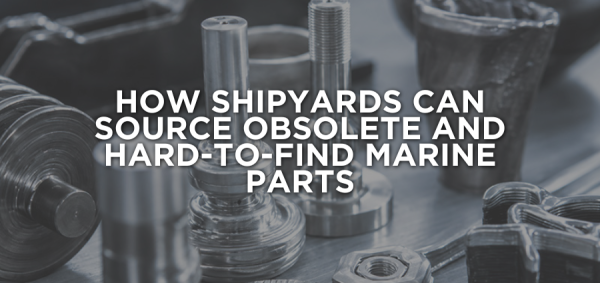
When a marine valve, actuator, pump, sensor, control module, or hydraulic component fails, the original replacement may no longer be easy to find. The manufacturer may have discontinued the product, the available lead time may not fit the repair schedule, or the installed equipment may be too old to identify from marine parts numbers alone.
For shipyards and vessel operators, this can turn a routine repair into a much larger problem. A critical component may be holding up maintenance, extending dry-dock time, or preventing equipment from returning to service.
Supreme Integrated Technology helps marine customers review available component information, understand the application, and evaluate sourcing or replacement options for obsolete and difficult-to-find parts. Instead of looking only at the part number, SIT considers how the component functions within the wider hydraulic, electrical, mechanical, or control system.
What Is an Obsolete Marine Part?
An obsolete marine part is a component that is no longer manufactured, actively supported, or readily available through the original equipment manufacturer.
The equipment may still be installed and operating on vessels, even though the manufacturer has moved to a newer product line or stopped supporting the original model.
Common examples include:
- Valve remote control system components
- Hydraulic and electrohydraulic actuators
- Hydraulic power unit components
- Pumps and hydraulic motors
- Valves and manifolds
- Legacy PLC and control hardware
- Electrical control modules
- Sensors, gauges, and switches
- Alarm and monitoring components
- Filters, seals, fittings, and hose assemblies
- Instrumentation used in older marine systems
Marine parts may also be considered hard to find when it is technically still available but only produced in limited quantities, manufactured to order, or stocked in another region.
Why Marine Parts Become Difficult to Source
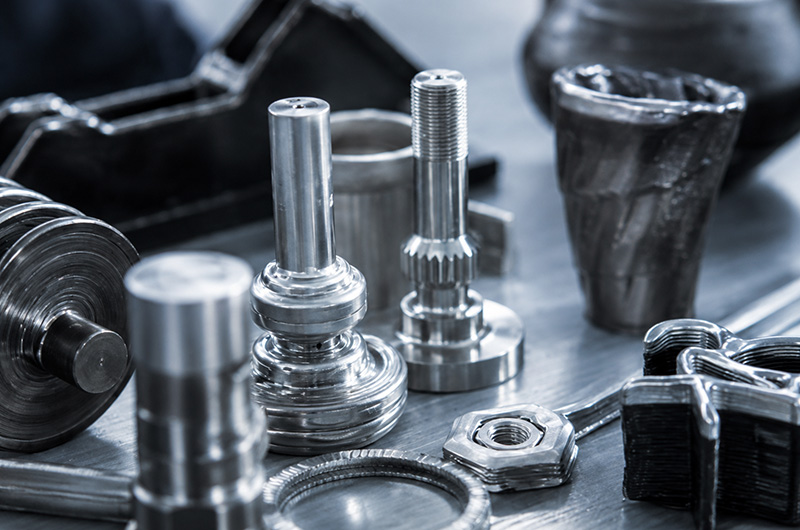
Marine parts and equipment are often expected to remain in service for many years. During that time, manufacturers may redesign products, combine product lines, discontinue older models, or change ownership.
Several factors can make a replacement difficult to locate.
Product Discontinuation
Manufacturers regularly phase out older equipment as new designs and technologies are introduced. A current product may perform a similar function, but it may not have the same dimensions, connections, signals, materials, or operating characteristics as the original part.
Aging Installed Equipment
Older vessels may contain components that were installed decades ago. Drawings may be incomplete, nameplates may be damaged, and the original equipment documentation may no longer be available.
The installed component may also have been modified during a previous repair, making identification more difficult.
Limited Legacy Inventory
Discontinued marine parts may still exist in manufacturer, distributor, or surplus inventory, but availability can be limited. Inventory records may also be incomplete, and the condition or configuration of a legacy component should be confirmed before it is selected.
Long or Unpredictable Lead Times
Specialized marine parts may be manufactured to order or sourced internationally. Production schedules, limited raw materials, testing requirements, and transportation can extend the time required to obtain a replacement.
Incomplete Part Information
A partial part number is not always enough to identify the correct component. Products within the same series may have different pressure ratings, internal configurations, electrical signals, seal materials, ports, or mounting arrangements.
Clear application information is often needed before a suitable option can be evaluated.
What to Do When the Original Part Is No Longer Available
An obsolete component does not always mean the entire system must be replaced. Several options may be available depending on the application, equipment condition, and project requirements.
Updated OEM Replacement
The original manufacturer may offer a newer revision or replacement model.
This is often the first option to evaluate, but the newer component should still be checked for differences in:
- Physical dimensions
- Mounting
- Hydraulic connections
- Electrical connections
- Operating pressure and flow
- Voltage and current
- Signal type
- Communication requirements
- Materials and seals
- Control logic
A manufacturer-recommended replacement is not always a direct drop-in part.
Legacy or New Old Stock
Discontinued marine parts may still be available through a manufacturer, distributor, specialty supplier, or verified legacy inventory source.
Before using older inventory, the buyer should confirm:
- Exact part configuration
- Storage condition
- Manufacturing date when relevant
- Shelf-life limitations
- Required testing or inspection
- Warranty or return conditions
- Documentation and traceability requirements
Elastomeric seals, electronic components, batteries, lubricants, and other age-sensitive marine parts may require additional review.
Functionally Compatible Alternative
When an exact replacement is unavailable, a different component may be able to perform the required function.
A functionally compatible alternative is not necessarily identical to the original part. It must be reviewed against the actual application requirements and system interfaces.
Depending on the marine parts, that review may include:
- Pressure and flow capacity
- Speed and response time
- Direction of operation
- Fail-safe position
- Voltage and power
- Input and output signals
- Communication protocol
- Material compatibility
- Seal compatibility
- Port configuration
- Mounting dimensions
- Environmental rating
- Feedback or position indication
- Required certifications or approvals
The alternative may also require changes to piping, wiring, mounting, software, or system documentation.
Component or System Retrofit
Sometimes a direct replacement is not practical. A retrofit may be more reliable when several components are obsolete, replacement inventory is limited, or the existing controls can no longer support the required operation.
A retrofit could involve:
- Replacing a valve and actuator assembly
- Updating a control panel
- Replacing legacy PLC hardware
- Adding a signal converter
- Modifying hydraulic manifolds
- Updating sensors and instrumentation
- Revising PLC or HMI programming
- Replacing a group of related components
The retrofit scope should be based on the condition of the system, the remaining service life of the vessel, and the impact on connected equipment.
Why Technical Compatibility Matters
Finding marine parts that looks similar is not the same as finding a part that will work correctly.
A replacement component must match the requirements of the system in which it operates.
For example, a replacement hydraulic valve may need to match:
- Maximum working pressure
- Required flow
- Spool or internal flow configuration
- Actuation method
- Port type and size
- Seal material
- Fail position
- Solenoid voltage
- Position feedback
- Response time
A replacement sensor may need to match:
- Measurement range
- Accuracy
- Output signal
- Supply voltage
- Electrical connection
- Process connection
- Material compatibility
- Environmental rating
- Control-system configuration
A replacement hose may need to match:
- Working and burst pressure
- Fluid compatibility
- Temperature range
- Bend radius
- End connections
- Abrasion resistance
- Fire-resistance requirements when applicable
- Applicable marine or project requirements
Selecting a replacement without reviewing these details can result in improper operation, installation delays, recurring failures, or changes to surrounding equipment.
The Difference Between an Exact Replacement and a Functional Replacement
Exact marine parts replacements matches the original component’s manufacturer, model, configuration, and technical specifications.
A functional replacement performs the same required function but may come from a newer product series or a different manufacturer.
A functional replacement may be appropriate when an exact part is unavailable, but it should not be treated as an automatic substitute. The application, interfaces, performance requirements, and required approvals should be reviewed before installation.
Depending on the system, a functional replacement may require:
- An adapter plate
- Different fittings or connections
- Electrical rewiring
- Signal conversion
- PLC or HMI changes
- Updated drawings
- Additional testing
- Customer, class, or regulatory approval
What Information Should Be Included With a Marine Parts Request?
The more information available, the easier it is to identify marine parts and evaluate replacement options.
Shipyards and vessel operators should provide as much of the following as possible:
- Manufacturer name
- Complete model or part number
- Serial number
- Clear photo of the nameplate
- Photos of the complete component
- Photos of ports and electrical connections
- Vessel or equipment application
- Description of the component’s function
- Hydraulic pressure and flow
- Voltage and electrical signal
- Fluid type
- Operating temperature
- Port sizes and connection types
- Mounting dimensions
- Material or seal requirements
- Existing drawings or schematics
- Required certifications or approvals
- Description of the failure
- Quantity needed
- Required delivery date
When the marine parts number is missing or unreadable, clear photographs, measurements, and application details may still provide a useful starting point.
Need Help Identifying a Marine Component?
Send SIT the available marine parts number, nameplate photos, drawings, dimensions, and application details. The team can review the request and help evaluate available sourcing or replacement options.
How SIT Supports Obsolete and Hard-to-Find Marine Parts
Finding inventory is only part of the process. The replacement also needs to meet the technical requirements of the application.
SIT works with manufacturers, distributors, and specialty suppliers to evaluate sourcing options for obsolete and difficult-to-find marine components. Depending on the request, support may include:
- Reviewing part numbers and nameplate information
- Comparing available OEM replacements
- Evaluating legacy inventory
- Reviewing functionally compatible alternatives
- Confirming hydraulic and electrical requirements
- Reviewing component dimensions and interfaces
- Identifying potential installation changes
- Supporting related controls or system modifications
- Testing and commissioning when included in the project scope
- Field-service and troubleshooting support
SIT’s experience with hydraulic power units, valve automation, electrical control packages, PLC and HMI controls, commissioning, and field service helps the team understand how a replacement component fits into the larger marine system.
This is especially useful when the original part is unavailable and the replacement decision requires more than a simple catalog cross-reference.
Marine Parts SIT Can Help Evaluate
Depending on availability and application requirements, SIT can help evaluate sourcing options for components such as:
- Hydraulic pumps and motors
- Hydraulic and electrohydraulic actuators
- Directional, pressure, flow, and control valves
- Hydraulic manifolds
- Hydraulic power unit components
- Accumulators
- Filters and filtration components
- Hose assemblies and fittings
- Pressure gauges
- Pressure, temperature, flow, and level sensors
- Switches and transmitters
- Seals and repair components
- Electrical control devices
- PLC and HMI hardware
- Control and automation components
- Valve remote control system components
Availability varies by manufacturer, product status, configuration, and project requirements. Not every obsolete part will have a direct or practical replacement.
When Should a Shipyard Consider Alternatives to OEM-Only Sourcing?
OEM parts are often the preferred starting point because they were designed for the original equipment. However, additional options may need to be considered when:
- The OEM has discontinued the part
- The manufacturer no longer supports the product line
- The stated lead time does not fit the repair schedule
- The original manufacturer is no longer in business
- The exact configuration cannot be located
- The vessel is undergoing a lifecycle extension
- Several related components are becoming obsolete
- Previous sourcing efforts have been unsuccessful
The objective should not simply be to locate something that fits. It should be to restore safe and reliable system operation with a component or retrofit that meets the application requirements.
Planning for Obsolescence Before a Failure
The best time to address an obsolete component is before it causes vessel downtime.
Shipyards and vessel operators can reduce emergency sourcing risk by identifying critical components that:
- Have long lead times
- Are no longer supported by the OEM
- Have no known direct replacement
- Are installed in several locations
- Are essential to vessel operation
- Have a history of failure
- Require programming or configuration
- Need special testing or approvals
A proactive spare-parts review can help determine which items should be stocked, which have acceptable replacements, and which may require a future retrofit.
Useful planning steps include:
- Building an installed-equipment list
- Recording complete part and serial numbers
- Saving current drawings and manuals
- Photographing nameplates
- Identifying critical spares
- Reviewing manufacturer obsolescence notices
- Confirming current lead times
- Evaluating replacement options in advance
- Documenting approved substitutions
- Planning phased system upgrades
This work can make future repairs faster and reduce the pressure to make a technical decision during an unplanned outage.
Supporting Gulf Coast Shipyards and Marine Customers
With operations in Harahan and Houma, Louisiana, and Houston, Texas, SIT is positioned to support shipyards, repair facilities, vessel owners, and marine operators throughout the Gulf Coast.
SIT also supports marine and industrial customers across North America and in other markets.
Whether the need involves one difficult-to-identify component or a broader hydraulic, electrical, or automation retrofit, SIT can help review the available information and determine a practical next step.
Request Marine Parts Support
An obsolete part does not always require a complete system replacement, but choosing an alternative without reviewing the application can create additional problems.
SIT helps marine customers look beyond the part number by reviewing how the component fits into the wider hydraulic, electrical, mechanical, or control system.
Need an obsolete, discontinued, or difficult-to-source marine component? Contact SIT with the manufacturer, part number, photos, drawings, specifications, or available application details. The team will review the request and help evaluate available sourcing and replacement options.
Frequently Asked Questions About Obsolete Marine Parts
What is an obsolete marine part?
An obsolete marine part is a component that is no longer manufactured, actively supported, or readily available through the original equipment manufacturer. The part may still be installed on operating vessels even though the original product line has been discontinued.
How can a shipyard find a hard-to-find marine part?
Start by gathering the manufacturer, complete part number, serial number, nameplate photos, dimensions, drawings, and application details. A marine sourcing partner can use that information to evaluate OEM replacements, legacy inventory, or functionally compatible alternatives.
What should I do if the original part number is missing?
Provide clear photos of the component, nameplate, ports, electrical connections, and mounting. Include dimensions, system drawings, operating pressure or voltage, and a description of what the component does.
Can an obsolete marine part be replaced with a newer component?
Sometimes. A newer component may be suitable if its performance, materials, dimensions, connections, signals, and environmental ratings meet the application requirements. Modifications or additional approvals may be required.
Is an updated OEM part always a direct replacement?
No. A newer OEM model may have different dimensions, connections, signals, materials, or control requirements. The updated model should be checked against the installed application before it is ordered.
What is a functionally compatible replacement?
A functionally compatible replacement performs the required job but may not be identical to the original component. It should be reviewed for pressure, flow, electrical requirements, materials, mounting, communication, and other system interfaces.
Why is technical review important when sourcing a marine replacement part?
Technical review helps confirm that the replacement will work with the existing hydraulic, electrical, mechanical, and control systems. It reduces the risk of incorrect parts, installation changes, repeated failures, and commissioning delays.
Can legacy inventory still be used?
Potentially, but its exact configuration, condition, storage history, shelf life, documentation, and testing requirements should be reviewed before use.
What types of obsolete marine components can SIT help evaluate?
Depending on the application and availability, SIT can help evaluate hydraulic pumps, motors, valves, manifolds, actuators, HPU components, hoses, fittings, filters, gauges, sensors, electrical controls, PLC hardware, and valve automation components.
How do I request a quote for an obsolete marine part?
Send SIT the manufacturer, part number, serial number, photos, drawings, application information, technical requirements, quantity, and required delivery date. If some information is unavailable, provide as much detail as possible.