Delivering a reliable marine system takes more than selecting quality components. Hydraulic equipment, electrical controls, PLCs, operator interfaces, sensors, alarms, and third-party vessel systems must work together within a clearly defined operating sequence.
That coordination begins well before equipment arrives at the shipyard.
A successful marine systems integration project typically moves through several connected phases: requirements definition, detailed engineering, manufacturing, factory testing, installation, and commissioning. Decisions made early in the process can directly affect how smoothly the system is installed, tested, operated, and maintained.
Supreme Integrated Technology supports marine projects through hydraulic and electrical engineering, controls integration, manufacturing, testing, commissioning, and field service. Depending on the project scope, SIT may design and supply a complete hydraulic or electrical control package, or integrate supplied equipment with other vessel-level systems.
What Is Marine Systems Integration?
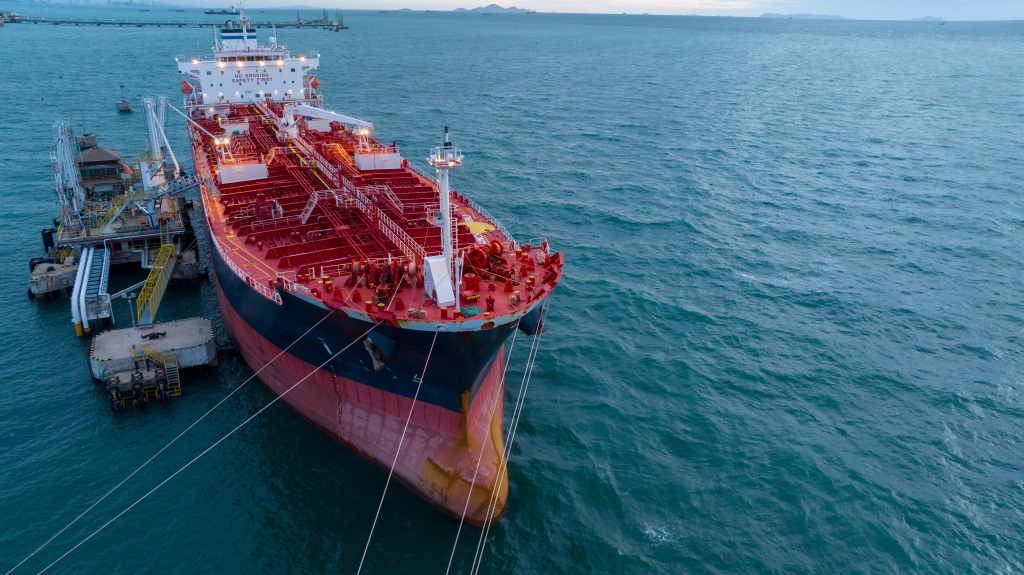
Marine systems integration is the process of coordinating the hydraulic, electrical, automation, instrumentation, and control functions included within a project so they operate together as intended.
It involves more than physically connecting components. The integration team must understand how equipment exchanges power, commands, signals, feedback, and operating data.
Depending on the project, an integrated marine system may include:
- Hydraulic power units
- Pumps, motors, valves, manifolds, and actuators
- Valve remote control systems
- Steering controls
- Electrical control panels
- PLC and HMI platforms
- Sensors and instrumentation
- Alarms, interlocks, and shutdown functions
- Monitoring and diagnostic systems
- Interfaces with third-party vessel equipment
SIT may directly design and supply some of these systems while coordinating interfaces with equipment provided by the shipyard, vessel owner, naval architect, or other suppliers.
The exact integration scope should be clearly defined at the beginning of the project.
Phase 1: Requirements and Scope Definition
Marine systems integration should begin during requirements development, before major equipment and interface decisions are finalized.
During this phase, the project team defines what the system must do, which equipment is included, how the system will be operated, and where responsibilities begin and end.
Important requirements may include:
- Vessel type and operating profile
- Required equipment functions
- Hydraulic pressure and flow
- Electrical power and voltage
- Automation and monitoring requirements
- Redundancy expectations
- Alarm and shutdown philosophy
- Applicable regulatory or classification requirements
- Environmental operating conditions
- Third-party equipment interfaces
- Documentation requirements
- Factory and onboard acceptance criteria
- Commissioning responsibilities
This phase should also identify which party is responsible for each interface.
For example, the hydraulic equipment supplier may be responsible for pressure and flow performance, while another supplier provides the vessel automation platform. The project still needs a clear definition of how the two systems will exchange commands, status information, alarms, and feedback.
Clearly defining scope and responsibilities early through marine systems integration can reduce confusion during engineering, installation, and commissioning.
Phase 2: System Architecture and Detailed Engineering
Once the requirements and scope are established, the project moves into detailed engineering.
This phase defines how the hydraulic, electrical, automation, instrumentation, and operator-control functions will work together.
Hydraulic Engineering
Hydraulic systems may support steering, valve actuation, deck machinery, lifting equipment, cargo functions, or other vessel applications.
Hydraulic engineering may include:
- Pressure and flow calculations
- Pump and motor selection
- Reservoir sizing
- Valve and manifold design
- Filtration and cooling requirements
- Accumulator sizing
- Piping and hose requirements
- Fluid-cleanliness considerations
- Control and feedback requirements
- Hydraulic schematics
The hydraulic design must also account for how the equipment will respond to commands from the electrical or automation system.
Electrical and Controls Engineering
Electrical and controls engineering defines how the equipment will be powered, commanded, monitored, and protected.
Depending on the project, deliverables may include:
- Electrical drawings
- Control panel designs
- Input and output lists
- Control narratives
- PLC programming requirements
- HMI screen requirements
- Alarm and interlock logic
- Motor control requirements
- Sensor and instrumentation details
- Cable and connection information
The control narrative is especially important because it describes how the system should respond during normal operation, startup, shutdown, alarm conditions, and equipment failures.
Interface Definition
Interface definition identifies how separate systems connect and communicate.
An interface review may address:
- Voltage and power requirements
- Hydraulic pressure and flow
- Digital and analog signals
- Sensor output types
- Communication protocols
- Equipment commands
- Status and fault feedback
- Alarm responsibilities
- Emergency-stop functions
- Permissives and interlocks
- Third-party connection points
Documenting these interfaces creates a common reference for the shipyard, equipment suppliers, controls team, and commissioning personnel.
Phase 3: Manufacturing and System Assembly
After the design is reviewed and approved, equipment moves into manufacturing and assembly.
Depending on the project scope, this phase may include:
- Hydraulic power unit fabrication
- Valve and manifold assembly
- Control panel fabrication
- Electrical enclosure assembly
- Instrumentation installation
- Operator station assembly
- Hydraulic piping and tubing
- Equipment wiring
- Software configuration
- System documentation
Quality control during manufacturing helps confirm that the equipment matches the approved drawings and specifications.
Any approved design changes should also be reflected in the drawings, software, bill of materials, and operating documentation. Keeping the physical equipment and project documents aligned becomes especially important during testing and commissioning.
When practical, components may be assembled into a larger system before shipment. This gives the project team an opportunity to test connected functions rather than waiting until all equipment is installed onboard.
Phase 4: Factory Acceptance Testing
Factory acceptance testing, commonly called FAT, verifies the functions and interfaces that can reasonably be tested before the equipment is shipped.
FAT does not always reproduce every final vessel condition. Some equipment, sensors, loads, communication networks, and third-party systems may only be available after installation.
However, factory testing can still identify many issues before the equipment reaches the shipyard.
Depending on the system and agreed test procedure, FAT may include:
- Inspection against approved drawings
- Verification of electrical connections
- Hydraulic pressure and flow testing
- PLC logic testing
- HMI function testing
- Alarm and interlock verification
- Simulated sensor inputs
- Equipment response testing
- Emergency-stop testing
- Verification of available communication interfaces
- Review of operating sequences
- Documentation of open items
The FAT procedure should define what will be tested, the expected results, the acceptance criteria, and how any outstanding items will be resolved.
Testing issues at the factory can be more manageable than correcting them after equipment has been installed onboard. The project team has better access to tools, engineering support, replacement components, and controlled test conditions.
Functions that depend on the final vessel installation must still be validated during onboard commissioning.
Phase 5: Shipyard Installation and Onboard Integration
Once the equipment arrives at the shipyard, installation and onboard integration begin.
This phase requires coordination between the shipyard, equipment suppliers, electricians, hydraulic technicians, controls personnel, and commissioning team.
Installation work may include:
- Equipment placement and mounting
- Hydraulic piping and hose connections
- Electrical power connections
- Field wiring
- Sensor installation
- Network connections
- Third-party system connections
- Software and communication configuration
- Fluid filling, flushing, or cleanliness verification
- Point-to-point checks
- Installation inspections
Even a well-engineered and factory-tested system can experience problems if equipment is wired, piped, configured, or installed incorrectly.
Field verification is therefore essential. Drawings should be checked against the installed equipment, and any field changes should be recorded so the final documentation reflects the system as built.
Pre-commissioning checks can also confirm that the equipment is ready to be energized and operated safely.
Phase 6: Commissioning and Operational Validation
Commissioning confirms that the installed equipment operates according to the approved design and operating requirements.
The exact commissioning scope varies by project. It may include dockside testing, integrated system testing, performance verification, operator instruction, and support during sea trials.
Typical commissioning activities may include:
- Visual installation inspection
- Point-to-point verification
- Hydraulic pressure and flow checks
- Sensor calibration
- Motor rotation and equipment checks
- PLC and HMI verification
- Alarm and interlock testing
- Emergency-stop testing
- Functional sequence testing
- Communication testing
- Performance validation
- Documentation of deficiencies
- Punch-list resolution
- Final documentation turnover
Equipment should be tested both individually and as part of the connected system.
For example, confirming that a hydraulic valve opens is only one part of the test. The commissioning team may also need to verify that:
- The PLC sends the correct command
- The valve moves in the correct direction
- Position feedback is accurate
- The HMI displays the correct status
- Related alarms function properly
- Safety interlocks prevent unsafe operation
- The equipment responds correctly during a fault
When sea-trial support is included in the project, the integration team may also assist with testing the supplied equipment under actual vessel operating conditions.
What Is the Difference Between FAT and Commissioning?
Factory acceptance testing and vessel commissioning serve different purposes.
FAT verifies the equipment, controls, and available interfaces before shipment. It is performed in a controlled factory environment using the equipment and simulations available at that stage.
Commissioning verifies the final installed system onboard the vessel. It confirms that field wiring, piping, sensors, communication links, third-party interfaces, and operating sequences function correctly in the completed installation.
A system may pass FAT and still require adjustments during commissioning because the final vessel environment includes connections and conditions that were not available at the factory.
For that reason, FAT and commissioning should be treated as complementary phases rather than interchangeable tests.
Why Early Coordination Matters
Many marine systems integration problems are not caused by a defective component. They develop when responsibilities, interfaces, or operating requirements are not clearly defined.
Early coordination can help the project team:
- Identify compatibility risks sooner
- Clarify supplier responsibilities
- Reduce conflicting design assumptions
- Improve drawing and software coordination
- Plan testing before equipment is installed
- Reduce troubleshooting between vendors
- Improve commissioning preparation
- Create more accurate system documentation
- Support future maintenance and upgrades
The goal is not to eliminate every field adjustment. Vessel projects are complex, and changes can occur throughout construction.
The goal is to identify and manage system interactions before they become late-stage installation or commissioning problems.
Why Work With a Marine Systems Integration Team?
An experienced marine systems integration team provides a central point of coordination between hydraulic, electrical, automation, instrumentation, and vessel-level requirements.
Depending on the project, the integration team may support:
- Requirements development
- Hydraulic system design
- Electrical control design
- PLC and HMI development
- Interface coordination
- Equipment manufacturing
- Factory acceptance testing
- Installation support
- Commissioning
- Field service
- Troubleshooting
- Documentation updates
Working with one marine systems integration team across multiple phases can also provide continuity. The engineers and technicians supporting commissioning have access to the design intent, operating sequence, drawings, software, and factory test results.
That background can make it easier to diagnose problems and determine whether an issue is related to equipment, installation, configuration, or a third-party interface.
How SIT Supports Marine System Integration
Supreme Integrated Technology supports marine and offshore applications through hydraulic, electrical, automation, manufacturing, testing, commissioning, and field-service capabilities.
Depending on the project scope, SIT support may include:
- Custom hydraulic power units
- Hydraulic and electrohydraulic control systems
- Valve and actuation systems
- Steering systems
- Electrical control packages
- PLC and HMI controls
- Instrumentation and monitoring
- System assembly and manufacturing
- Factory testing
- Commissioning
- Troubleshooting and field service
SIT can provide complete marine systems integration within its area of responsibility or coordinate those systems with equipment and controls supplied by other project partners.
With operations in Louisiana and Texas, SIT supports shipyards, vessel builders, marine operators, and other customers throughout the Gulf Coast and across North America.
From Defined Requirements to a Commissioned System
Marine systems integration begins long before equipment is installed onboard.
The process starts by defining what the system must do, who is responsible for each interface, and how performance will be tested. Those requirements guide detailed engineering, manufacturing, factory testing, installation, and final commissioning.
When each phase builds on accurate information from the phase before it, shipyards gain a clearer path from initial design to an operating vessel system.
Planning a marine hydraulic, electrical, valve automation, or control-system project? Contact SIT to discuss your system requirements, interfaces, factory testing, commissioning, and field-service needs.
Frequently Asked Questions About Marine Systems Integration
What is a fully integrated marine system?
Fully integrated marine systems integration coordinates the hydraulic, electrical, automation, instrumentation, and control functions included within the defined project scope so they operate together as intended.
When should a marine systems integrator become involved?
Marine systems integration should become involved during requirements development or early design, before major equipment and interface decisions are finalized. Early involvement helps define responsibilities, identify compatibility risks, and establish a testing plan.
What does a marine systems integrator do?
A marine systems integrator coordinates equipment, controls, signals, operating sequences, and interfaces across the systems included in the project. The role may include engineering, programming, manufacturing, testing, installation support, and commissioning.
What is tested during a marine FAT?
A marine FAT may verify hydraulic performance, PLC logic, HMI functions, alarms, interlocks, simulated inputs, equipment responses, and available communication interfaces. The exact test scope should be defined in an approved FAT procedure.
Can FAT verify the complete vessel system?
Not always. FAT can verify the equipment and interfaces available at the factory. Functions that depend on final onboard wiring, piping, sensors, communication networks, loads, or third-party systems must be validated during commissioning.
What is the difference between FAT and vessel commissioning?
FAT tests equipment and available interfaces before shipment. Commissioning tests the completed installation onboard the vessel, including field connections, configuration, operating sequences, and third-party interfaces.
How does early system integration reduce commissioning risk?
Early marine systems integration helps identify unclear interfaces, incompatible requirements, and conflicting design assumptions before installation. It also gives the project team more time to define acceptance criteria and plan system-level testing.
Does SIT support installation and sea trials?
SIT provides commissioning and field-service support. Installation assistance, operator instruction, dockside testing, and sea-trial support may be provided when included within the specific project scope.
What types of marine systems does SIT support?
SIT supports marine systems integration applications involving hydraulic power units, hydraulic and electrohydraulic controls, valve automation, steering systems, electrical control packages, PLC and HMI controls, instrumentation, testing, commissioning, and field service.